What is Interactive E-Learning? Everything You Need to Know
June 11, 2026
Are Learning Styles Real?
July 17, 2026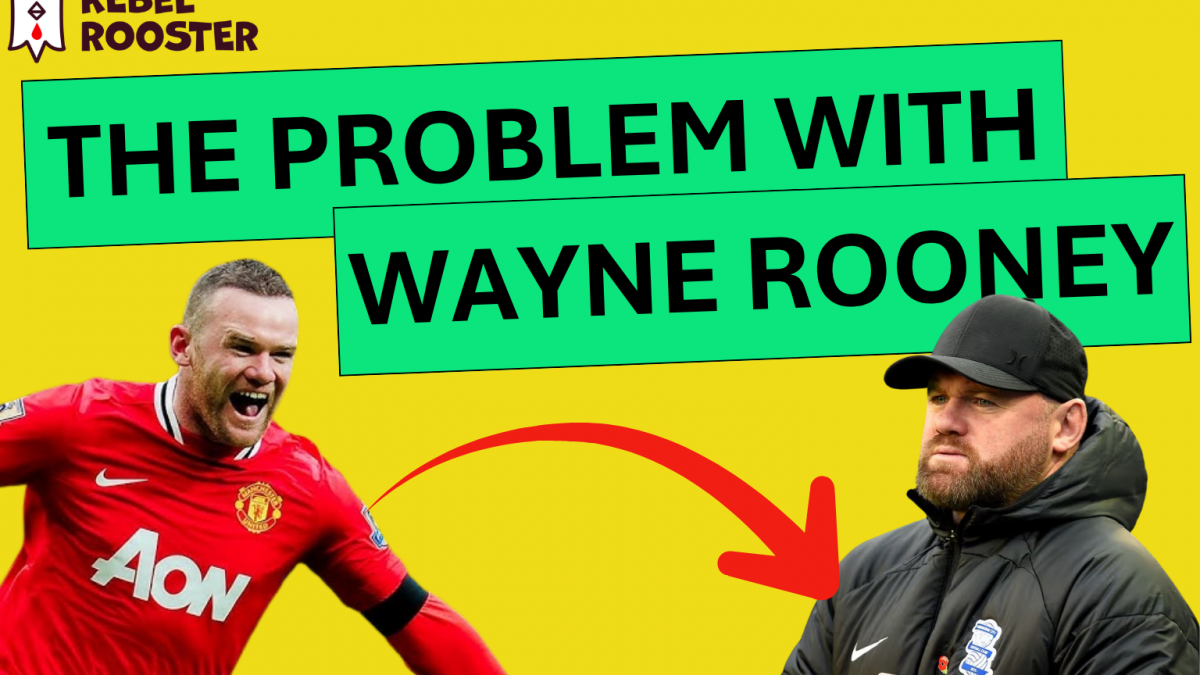
The Best Coaches Aren't Naturally Talented - Here's Why
By John Lee, Co-Founder, Rebel Rooster
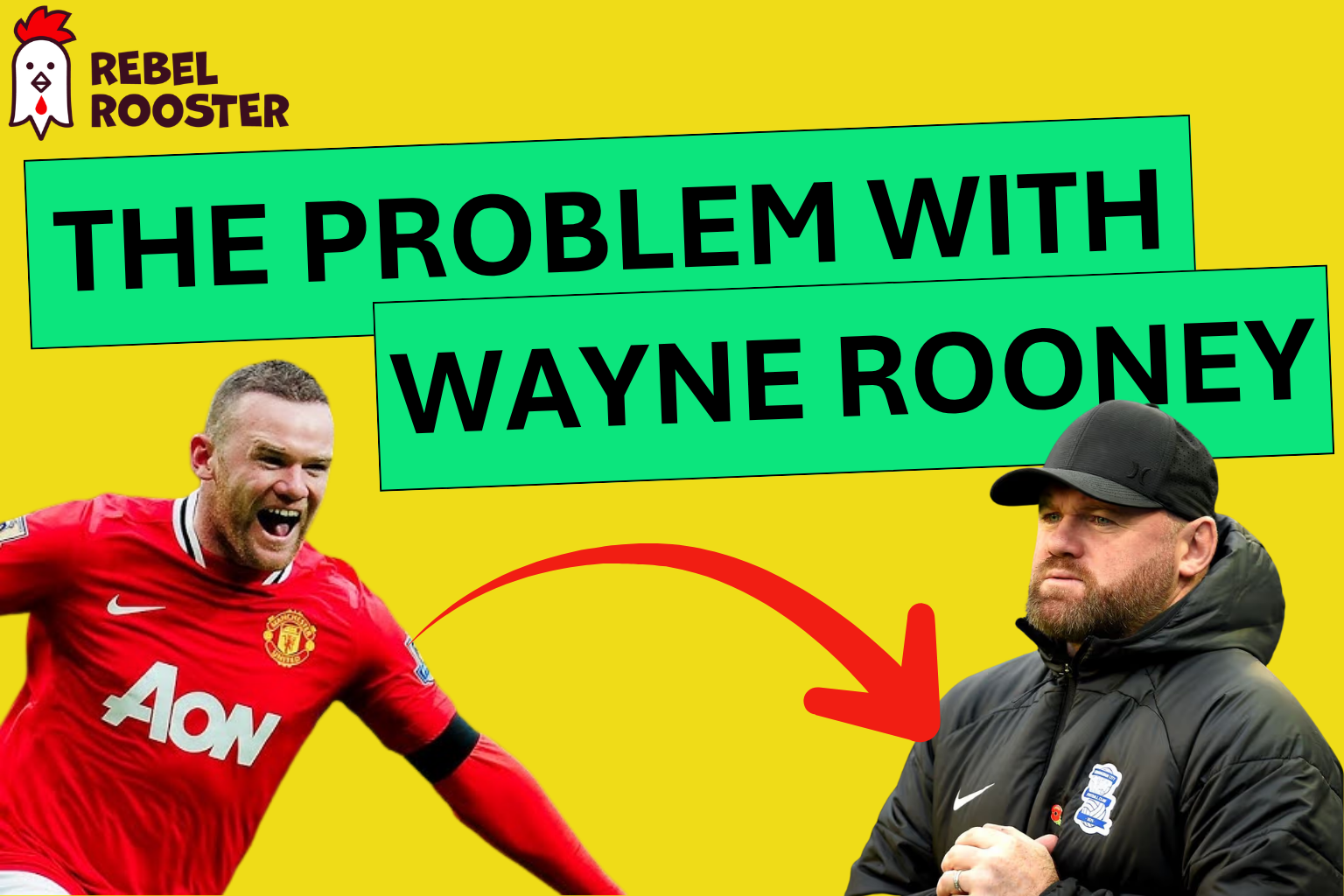
Wayne Rooney was a genius on the pitch. It didn't make him a great manager.
Wayne Rooney is one of the most gifted footballers England has ever produced. For two decades he did things with a ball that the rest of us can only watch and marvel at, England's record goalscorer for a time, a player who seemed to understand the game in his bones.
And then he went into management, and it hasn't gone the way that CV suggests it should. Club after club, results that never quite matched the reputation. I'm not picking on Rooney here, because he's in enormous company. The history of football is littered with untouchable players who became unremarkable managers, and, just as tellingly, with mediocre players who turned into extraordinary coaches. José Mourinho barely had a playing career worth the name. Arrigo Sacchi, who built one of the greatest club sides ever, never played professionally at all, and had a line about it that I love: you don't need to have been a horse to become a jockey.
This used to puzzle me. Surely the person who can do the thing best is the person best placed to teach it? It turns out to be almost the reverse, and there's a good reason why.
The best teacher I ever had was, by his own cheerful admission, hopeless at the actual subject when he was young. He'd struggled with it. He'd got things wrong for years before they clicked. And that, it turns out, was his superpower, because he could remember exactly what it felt like not to understand. He knew where the potholes were because he'd fallen in every one of them.
When I talked to Professor Joe Devlin, a cognitive neuroscientist at UCL, for our whitepaper, he was able to speak to this. The more effortlessly good you are at something, the worse you often are at teaching it, because you never had to break it down. The knowledge is so deep and so automatic that you can no longer see its individual steps. Ask a natural why they did something and they'll say "I just knew," which is useless to a beginner. The struggle they never had is exactly the map the learner needs, and they don't have it to give.
Rooney could see a pass most players couldn't even imagine. That's precisely the problem. When something has been obvious to you since you were sixteen, you can't teach the person for whom it isn't obvious, because you genuinely can't remember it ever being hard.
I think about this constantly in my work, because it's the single most common mistake I see organisations make with training. They take their best person, the absolute expert, the one who knows the most, and they say: you know this cold, so you teach it. And it fails, again and again, and everyone's baffled, because the logic seemed so sound.
The expert's knowledge is the raw material rather than the course material. Between the person who knows the thing and the person who needs to learn it, you need someone whose actual job is that translation, who can find the steps the expert has long since stopped being able to see. Sometimes that's a designer, or sometimes it's a writer. In our world, it's often both.
Your best player is not automatically your best coach. It's one of the most reliable truths in football, and it's just as true in every office in the country.
More on why expertise and teachability are different skills, in our whitepaper with Professor Joe Devlin, Trained to Forget. Download it here:
Meet the
Brains Behind it...


Meet Joe